Welcome to Mana Precast
Precast Concrete Fence Systems: Revolutionising Construction
As the construction industry evolves toward more industrialised, efficient, and sustainable methods, precast concrete fence systems are gaining popularity for their rapid assembly, cost-effectiveness, and minimal environmental impact.
What Is a Precast Concrete Fence Mould?
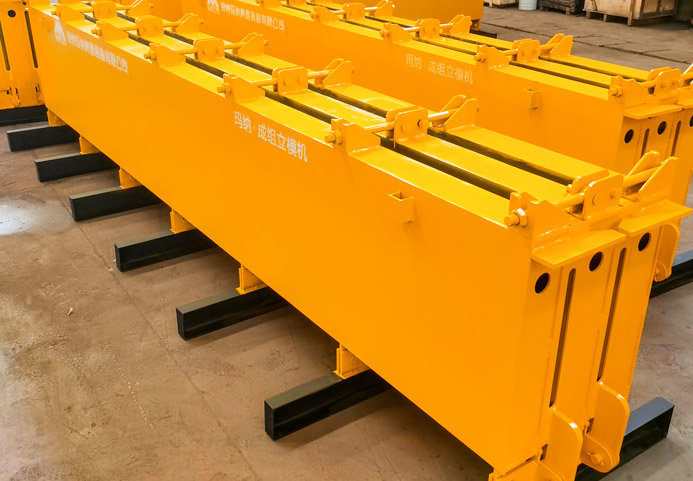
A precast concrete fence mould is a specially designed formwork used to produce concrete elements for fences. These moulds shape concrete into fence panels, posts, and other components. Once the concrete is poured and cured, the finished elements are transported to the construction site for assembly into a fence.
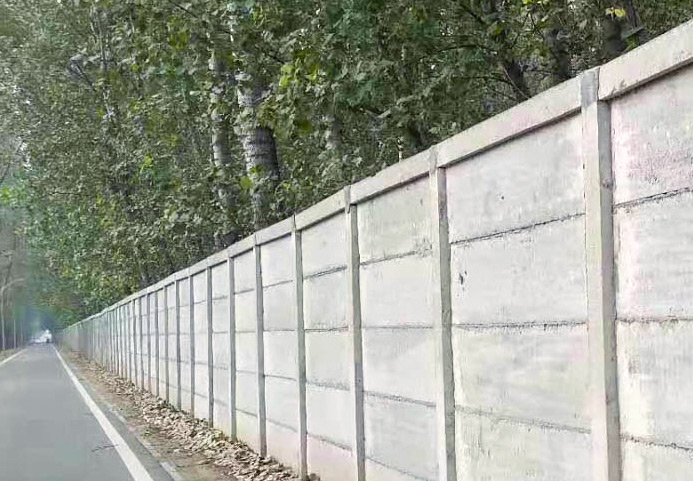
Precast concrete fences are favoured for their speed of construction, consistent quality, and durability. Manufactured in a controlled factory environment, each element adheres to precise standards before on-site assembly.
Key Advantages of Precast Concrete Fence Systems
Shorter Construction Periods
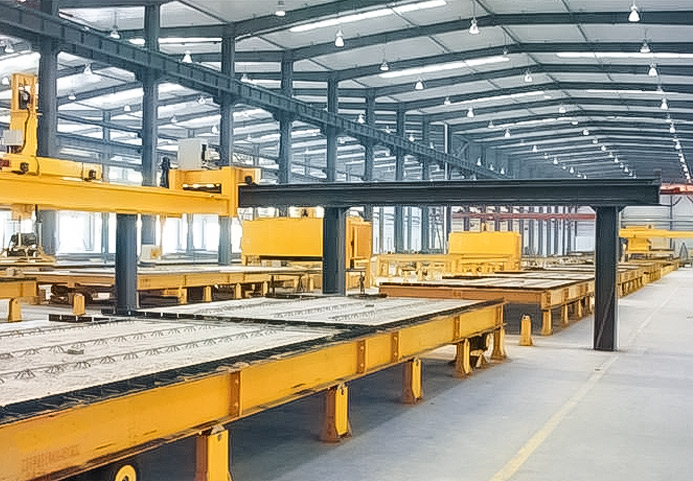
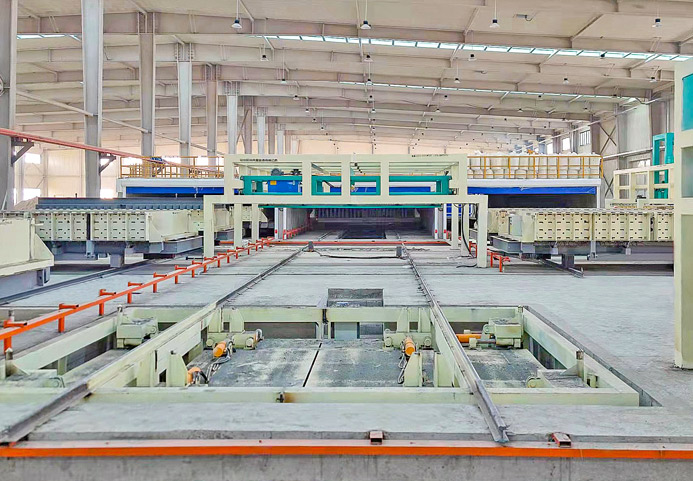
Precast concrete fence moulds significantly reduce construction time. Since components are manufactured off-site in a factory, on-site assembly is faster. The moulds are designed for efficient production, enabling multiple panels to be created simultaneously, shortening the overall timeline compared to traditional methods.
Space Efficiency
Precast concrete fences, particularly for industrial and substation applications, occupy less land. Their modular designs and smaller footprints provide a practical solution for space-constrained projects. Additionally, the off-site manufacturing minimises the space required for on-site work.
Reduced Environmental Impact
Precast systems produce less pollution, noise, and waste. Components are prefabricated in a controlled environment, reducing the need for wet operations and lowering water usage. This approach benefits worker health and significantly decreases the ecological footprint.
Durability and Low Maintenance
Precast concrete elements are known for their strength and longevity. They withstand harsh weather, including high winds and extreme temperatures. Unlike wood or metal, precast concrete fences resist corrosion and decay, making them a low-maintenance, long-term solution.
How Precast Concrete Fence Moulds Work
The production process for precast concrete fence components involves the following steps:
Preparation: Moulds are cleaned, and a release agent is applied to ensure easy removal of cured concrete.
Mould Assembly: Hydraulic systems close the moulds for precise alignment and sealing.
Concrete Pouring: High-quality concrete is poured into the moulds, and vibration is applied for optimal compaction.
Curing and Hardening: Concrete cures at room temperature or in a controlled chamber to achieve required strength.
Mould Removal: Hydraulic systems open the moulds, and finished components are removed for transportation.
Types of Precast Concrete Fence Moulds
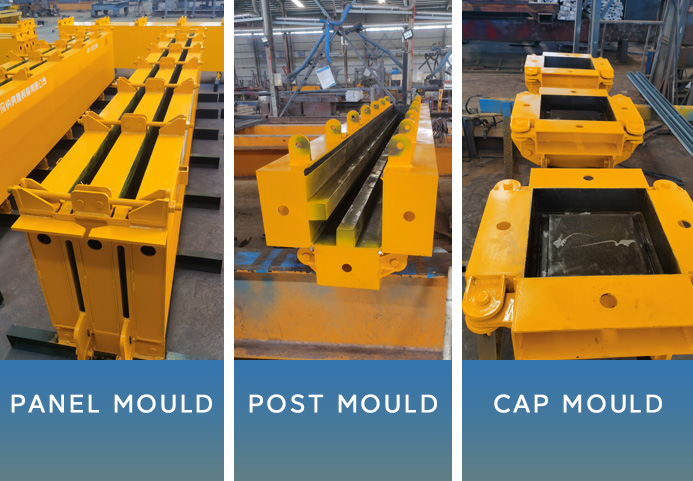
Standard Panel Moulds: For producing panels in various sizes and finishes.
Column Moulds: For creating uniform fence posts, often in bulk.
Accessories Moulds: For decorative elements, caps, or custom features enhancing the fence's functionality and aesthetics.
Applications of Precast Concrete Fences
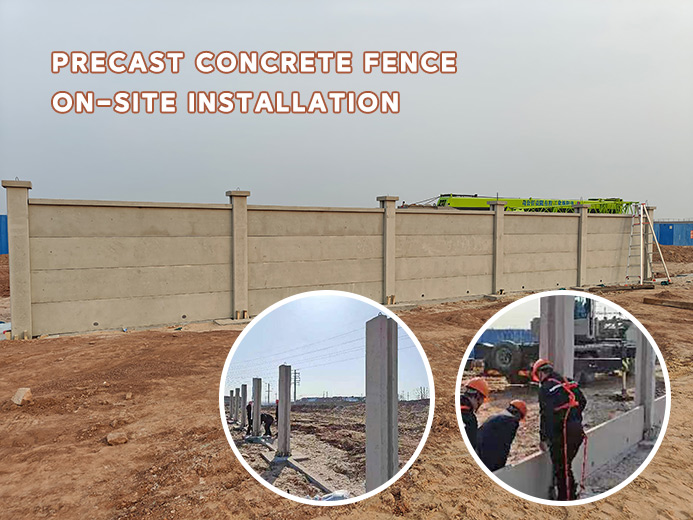
Industrial and Commercial Properties: Durable and secure for factories and warehouses.
Substations and Power Stations: Provide protection and weather resistance.
Residential and Urban Development: Modern aesthetic with privacy and security.
Infrastructure Projects: Used along highways, railways, and transportation corridors.
Why Choose Mana?
At Mana, we specialise in manufacturing high-quality precast concrete fence moulds. Whether you need customised moulds or a complete production line, we offer solutions to:
Enhance your construction efficiency.
Reduce costs.
Lower your environmental impact.