Welcome to Mana Precast
Precast Moulds for Hybrid Wind Turbine Towers
As a mature and highly potential renewable energy source, wind energy has become a driving force in the development of new energy solutions. Traditionally, wind turbines are supported by steel towers, elevating them to heights of tens of metres to harness wind power efficiently. However, with advancements in technology, large-scale wind turbines featuring high-power outputs, long blades, and taller towers have emerged. This evolution raises the question: how do wind turbines operate at heights approaching 120 metres? Enter the hybrid wind tower structure (referred to as the “hybrid tower”), a groundbreaking solution revolutionising the wind power industry.
What is a Hybrid Tower?
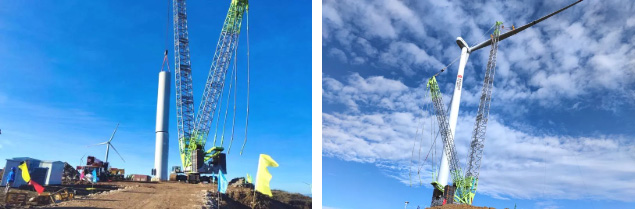
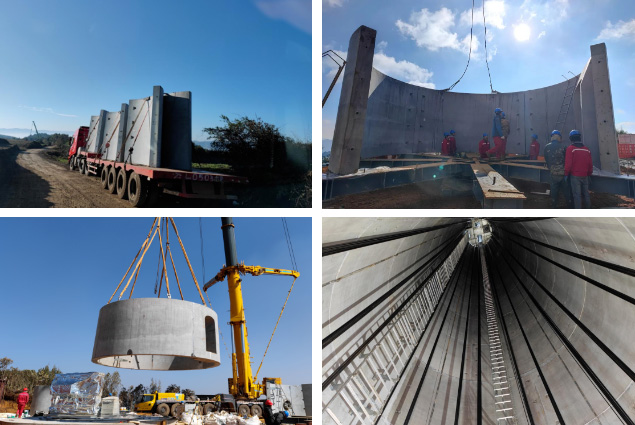
A hybrid tower is a structural system for wind turbines composed of both steel and concrete. The lower section of the tower is made of precast concrete, while the upper section is constructed from steel. This combination leverages the strengths of both materials to enhance performance and efficiency.
Advantages of Hybrid Towers
Enhanced Structural RigidityHybrid tower structures offer superior overall rigidity. This makes them particularly suitable for regions with high wind shear or low wind speeds requiring tall towers. The robust design effectively reduces the operational vibration amplitude of wind turbines throughout their lifecycle.
Stable PerformanceThe hybrid tower ensures more stable parameters, such as blade wind-facing angles and power generation metrics, leading to improved overall efficiency and lower operational and maintenance costs.
High Production EfficiencyThe segmented design of hybrid towers allows for easy and efficient production. Transporting the segments is convenient, and the rapid assembly and installation process address challenges associated with increasing tower diameters due to higher turbine capacities.
Introducing Precast Moulds for Hybrid Towers
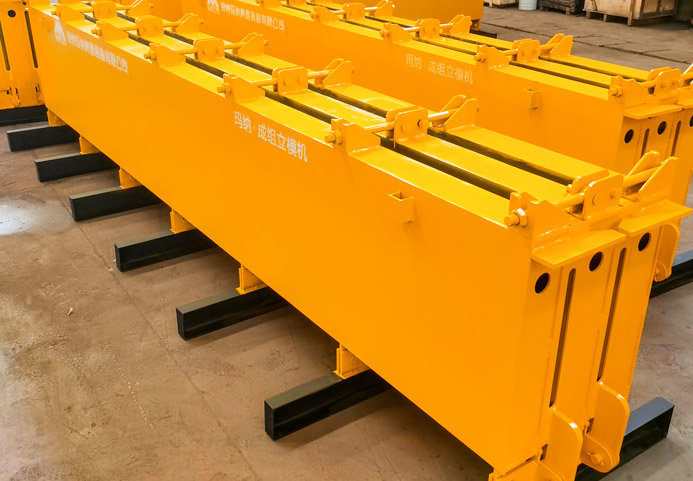
The success of hybrid towers relies heavily on the quality of their concrete sections, which are produced using specially designed precast moulds. Here’s what makes these moulds stand out:
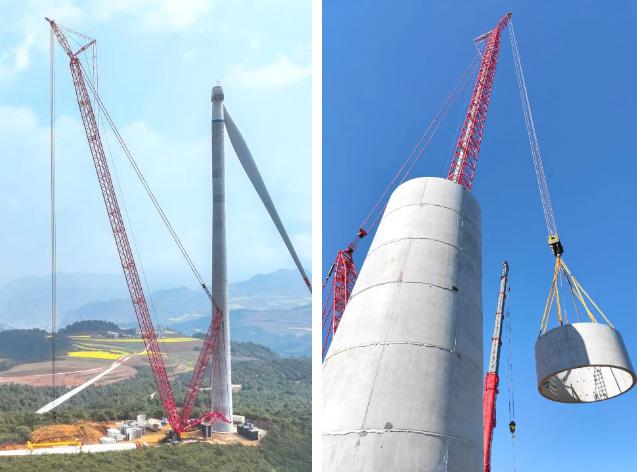
Key Features
Customisable DesignsPrecast moulds can be tailored to create various forms, including curved, flat, and C-shaped designs, to meet diverse project requirements.
Ease of OperationWith high processing precision and dedicated sealing structures, these moulds ensure ease of use and reliable performance. Larger moulds can be equipped with hydraulic and vibration systems to enhance efficiency.
Best Practices for Mould Usage
To maintain optimal performance and prolong the lifespan of hybrid tower moulds, follow these guidelines:
Regular Maintenance
Pre-Pouring Preparations
Seal Maintenance
Surface Protection
Concrete Vibration
If the mould is not in use for an extended period, ensure the cavity is well-oiled to prevent rust. Uniformly spray a release agent for added protection.
Thoroughly clean the mould cavity before pouring concrete to ensure smooth operations.
Periodically inspect and replace sealing strips as they are consumable parts that wear over time.
Avoid contact between the forming surface of the mould and blunt tools, which could compromise the precision of the final components.
Ensure the vibrator does not remain in one position for too long to prevent concrete segregation.
Hybrid towers represent a significant advancement in wind power technology, addressing the challenges posed by larger turbines and taller towers. The precast moulds used in their construction play a crucial role in achieving high-quality concrete sections, making them an indispensable part of the production process. By following best practices in mould usage and maintenance, stakeholders can ensure the efficiency and longevity of these innovative solutions, paving the way for a more sustainable future in wind energy.