Welcome to Mana Precast
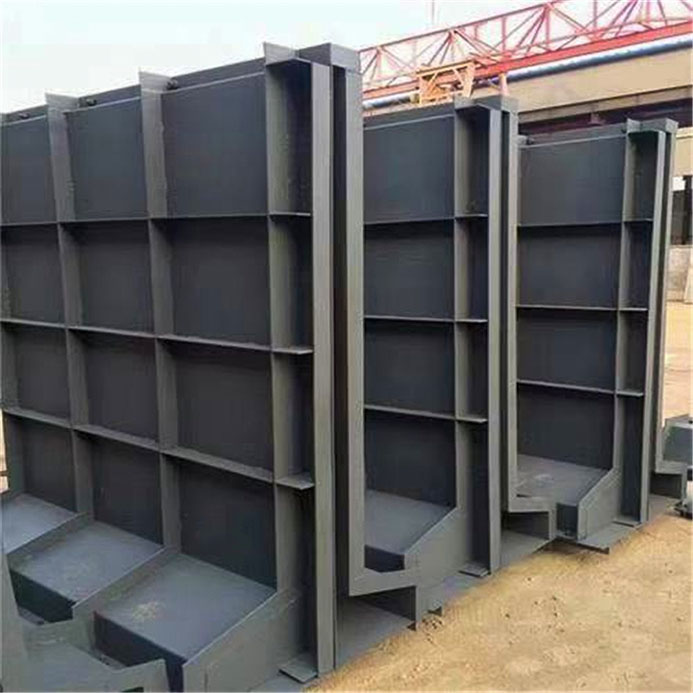
Precast Retaining Wall Moulds
To ensure the safety of riverbanks, slopes, and surrounding environments, appropriate measures such as support, reinforcement, and protection must be taken.
Retaining walls are structures used to support and stabilize soil on slopes, preventing erosion and maintaining stability. They are widely used in industrial and civil construction, including roads, railways, municipal infrastructure, and water projects.
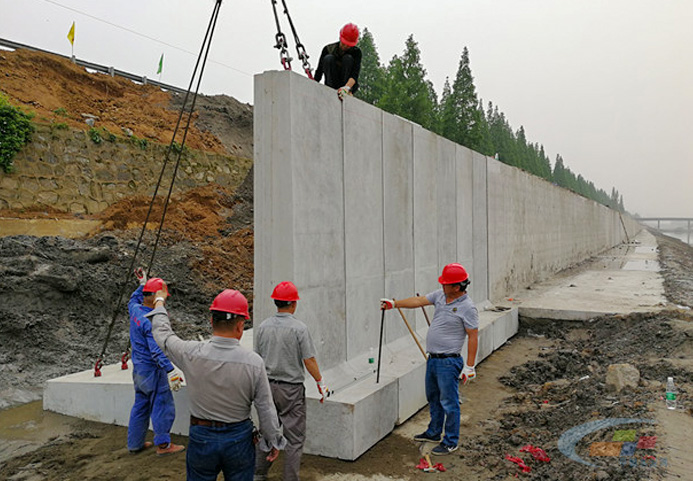
Precast retaining walls are made using mechanized construction methods, making the process faster, simpler, and more efficient. This reduces project timelines and improves safety during operations.
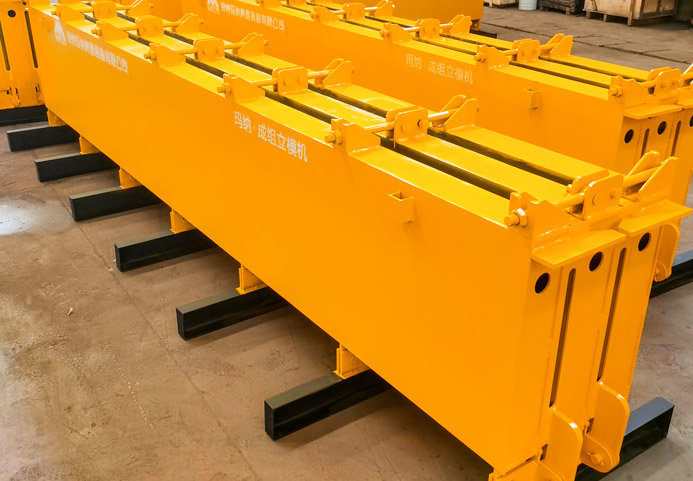
Structure of Precast Retaining Wall Moulds
The precast retaining wall mould consists of the following components:
Base mould
Side moulds
End moulds
Support systems
Fastening systems
Additional features such as hydraulic closing systems, vibration units, and curing systems can be added as needed.
Versatile Product Options
Precast retaining wall moulds come in various designs to meet different needs. Common types include:
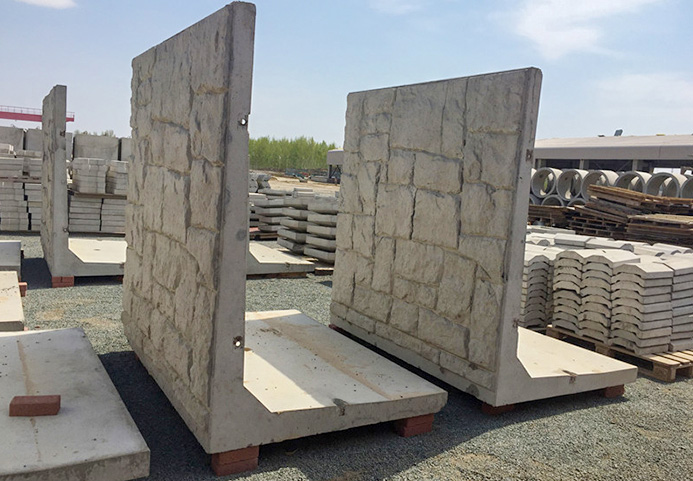
U-shaped walls
L-shaped walls
Wave-shaped walls
Operating Instructions
Apply Release Agent: Before pouring concrete, apply a layer of release agent to the inside of the mould.
Concrete Pouring and Vibration: Use a vibrator during pouring to remove air bubbles, ensuring a smooth and attractive finish on the concrete.
Post-Demoulding Quality: The demoulded precast elements are smooth and free from honeycombing, with a mirror-like finish.
Mould Maintenance: After use, clean the mould promptly. Rinse off residues with clean water, wipe with a cloth, and apply anti-rust treatment to prevent corrosion.
Key Features
High Strength and Stability
Strong structural integrity, excellent stiffness, and precise alignment significantly increase the mould’s lifespan.Easy Assembly and Maintenance
Quick installation and removal, precise positioning, and easy maintenance help reduce processing and labour costs.Durability
Excellent resistance to corrosion, acids, and alkalis makes the moulds ideal for mass production and steam curing environments.Precision and Surface Quality
High dimensional accuracy and a smooth, even surface meet the requirements for both decorative and exposed concrete finishes.Long Service Life
Reinforced outer panels improve structural strength. The moulds are designed to last 5 to 8 years.