Welcome to Mana Precast
Precast Stair Moulds Featuring Vertical and Horizontal Configurations
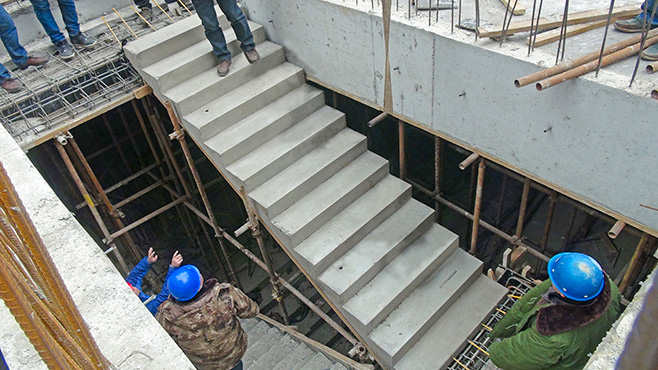
Precast stairs, as one of the key components in prefabricated concrete structures, offer simplicity in design, rapid production, and ease of standardization. These features make them widely adopted in modern construction projects.
Steel: The Backbone of Precast Stair Moulds
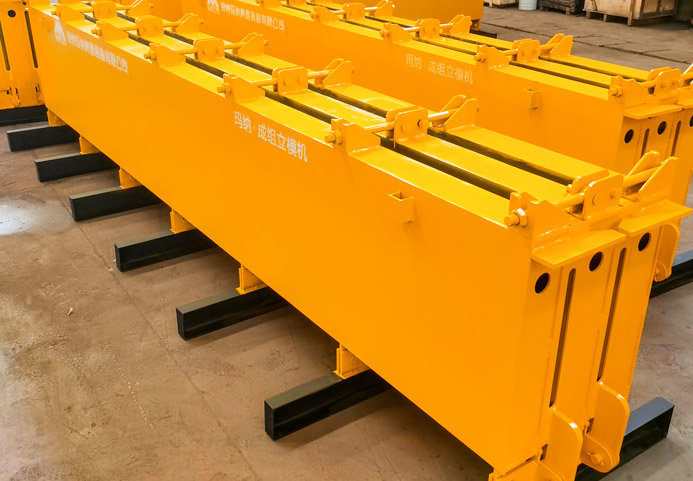
Steel is the most commonly used material for precast stair moulds, particularly Q235 steel plates and structural steel. Typically, steel plates with a thickness of 6-10mm are used. For surfaces in contact with concrete, flat steel plates are preferred over rolled plates to meet the high demands for mould deformation resistance and surface smoothness.
Steel moulds are characterized by their:
High Strength and Durability: They can withstand substantial pressure and heavy loads without deforming or breaking.
Ease of Processing: Using advanced machinery such as CNC bending machines and laser cutters ensures high precision, smoothness, and flatness of the mould surfaces.
Types of Moulds
Precast stair moulds are available in various configurations to suit different production needs:
|
|
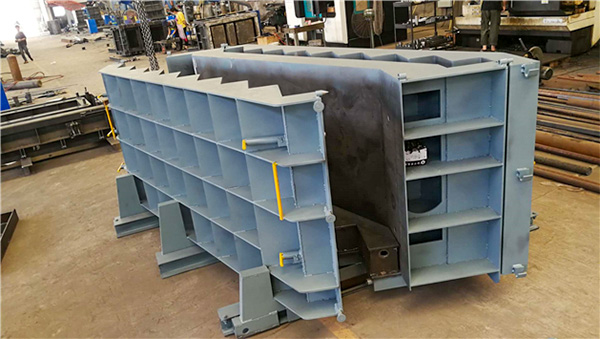
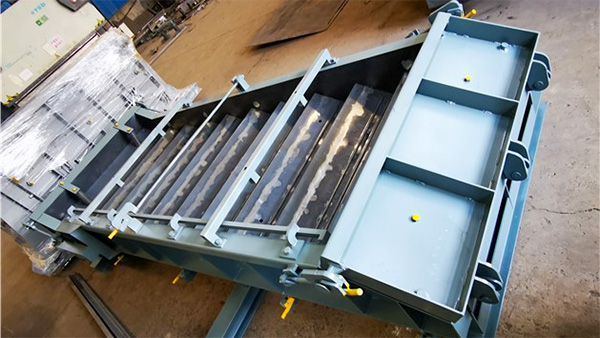
Vertical Dual-Chamber Moulds
Vertical Single-Chamber Moulds
Horizontal Single-Chamber Moulds
Each type has distinct efficiency levels. Horizontal moulds occupy more space, require larger finishing areas, and involve frequent flipping of components. In contrast, vertical moulds are more space-efficient and productive.
Customization and Features
Precast stair moulds are tailored to meet specific client requirements, including adjustable product dimensions. Key features include:
Efficient Space Utilization: Rational mould design minimizes production footprint.
Durability and Precision: Standardized mould sizes ensure high-quality, well-defined components.
Ease of Operation: User-friendly moulds reduce labour intensity and overall production costs.
Seamless Assembly: Tightly sealed forming surfaces prevent leakage of concrete and water.
Advanced Manufacturing Processes
Unlike small-scale workshops, industrial-scale mould production emphasizes precision and efficiency.
|
|
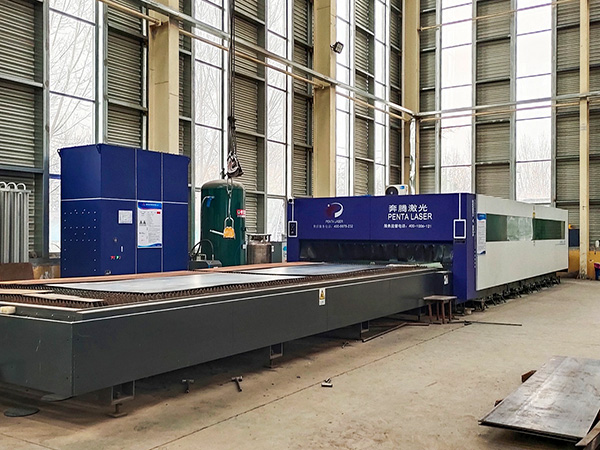
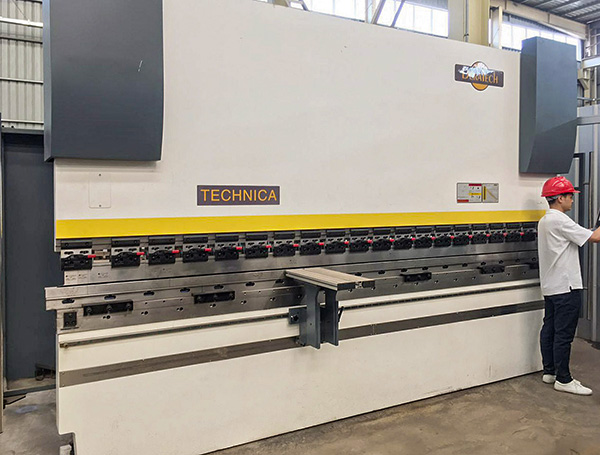
Bulk Material Procurement: High-quality, standard steel plates are sourced from reputable suppliers.
CNC Cutting: Laser cutting ensures precise dimensions without deformation.
CNC Bending: Advanced machines streamline the formation of complex structures.
Standard Welding: CO2 shielded welding guarantees reliable and aesthetically pleasing seams.
Professional Assembly: Specialized fixtures ensure precise assembly of finished moulds.
Optimizing Production Efficiency
Projects with fewer component types and uniform shapes reduce the number of moulds required. However, mould sharing between different types of components is rare, and even within the same type, variations in shape often necessitate separate moulds.
In projects with tight timelines, increasing the number of moulds can accelerate production, especially when steam curing is unavailable. Skilled workers also play a crucial role in improving efficiency by expertly handling tasks such as mould assembly, rebar installation, concrete pouring, and demoulding.
Durability and Reusability
Steel moulds typically have a service life ranging from 60 to 200 uses. High-quality, well-maintained moulds last longer and produce more precast stair components over their lifespan. This durability makes them a cost-effective choice for large-scale production.
Precast stair moulds are indispensable in today’s construction industry. Their durability, precision, and efficiency significantly enhance the productivity and quality of prefabricated structures. By adopting advanced manufacturing techniques and optimizing mould design, construction projects can achieve greater economies of scale while maintaining high standards of performance and aesthetics.