Welcome to Mana Precast
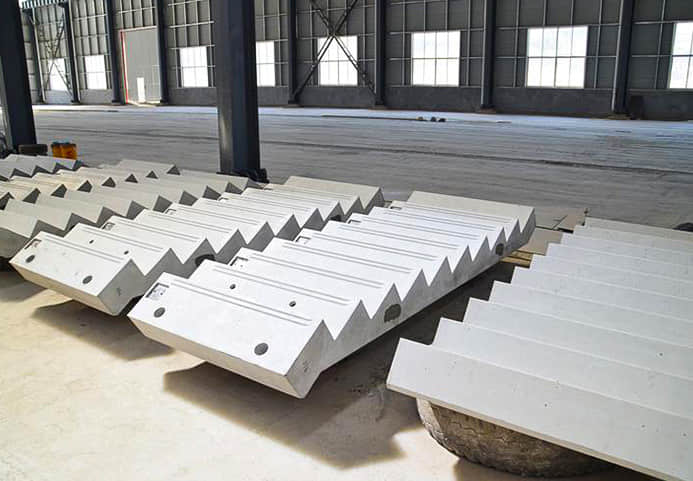
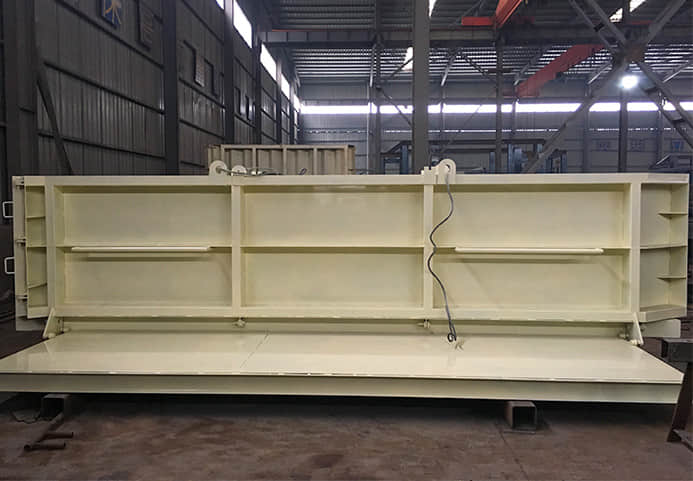

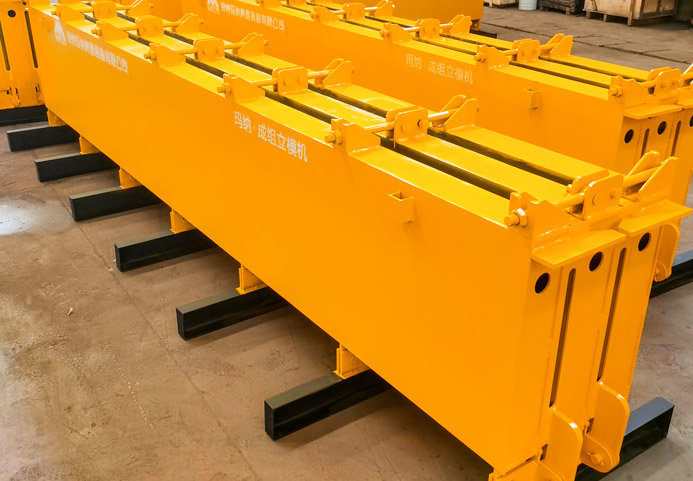
Precast Concrete Staircase Mould
- Vertical mould with extensive use of laser-cut parts
- High rigidity design to increase mould life
- Fast and effective demoulding
| Parameter | Value |
|---|---|
| Mould Type | Staircase mould |
| Component Type | Straight staircase |
| Mould Material | Q345B steel |
| Designed Service Life | 2000 cycles |
| Casting plate thickness | 3–6 mm |
| Clamping Method | Pins and Bolts |
| Embedded Part Fixing Method | Bolt fixation |
| Dimensional Tolerance | ±1.0 mm / m |
| Flatness Tolerance | ≤ 1.0 mm / m |
What Is a Precast Stairs?
A precast staircase is a type of precast concrete component that is manufactured in a precast factory. They are then transported to the site for installation. They are ready for use immediately after installation.
What Are the Advantages of Precast Concrete Stairs?
Precast staircases in high-rise buildings have outstanding advantages:
1. Precast factories use a standardised production method to manufacture precast stairs and have a strict quality control system. They are designed and manufactured to strict dimensions, which not only makes it easy to control quality, but can also speed up the construction process.
2. A high utilisation rate of moulds allows mass production.
3. Precast stairs reduce on-site construction, can effectively reduce the negative impact of construction activities on the environment, and contribute to the development of the construction industry.
What are the disadvantages of precast stairs?
1. There is a need to purchase moulds, which requires a high initial investment.
2. Precast stairs are heavy, resulting in high transportation costs.
3. Precast stairs are difficult and demanding to install. Professional contractors and equipment are required for installation.
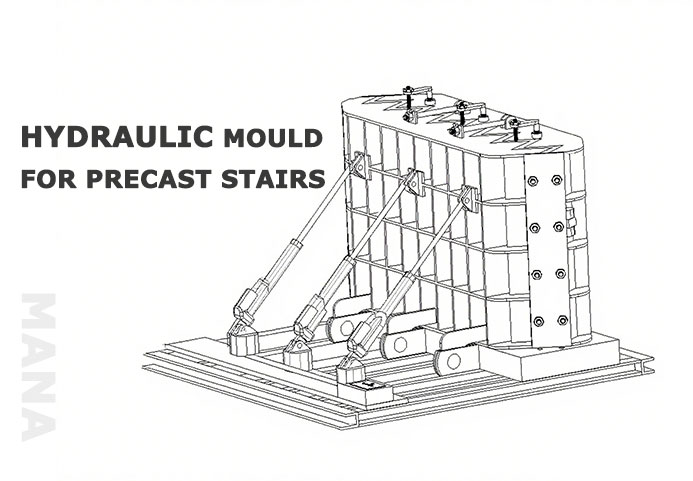
Advantages of the Mana Vertical Precast Stairs Mould:
1. Vertical mould with extensive use of laser-cut parts.
2. High rigidity design to increase mould life.
3. Integrated design reduces joint gaps, minimises the risk of leakage and ensures the quality of the finished stair.
4. The rapid demoulding device enables fast and efficient demoulding, increasing the efficiency of stair production.
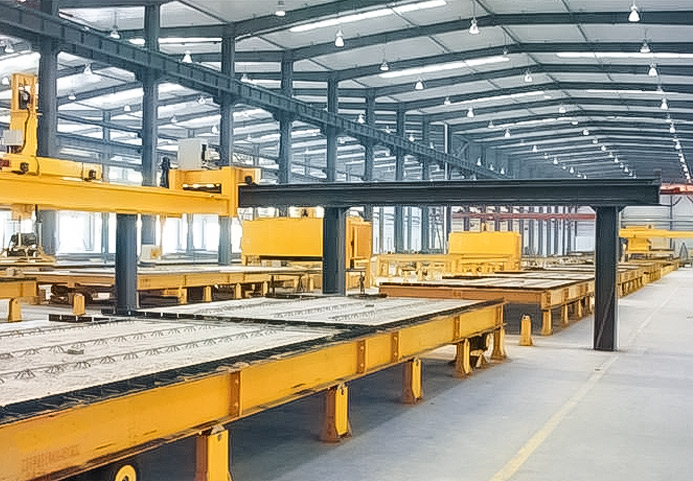
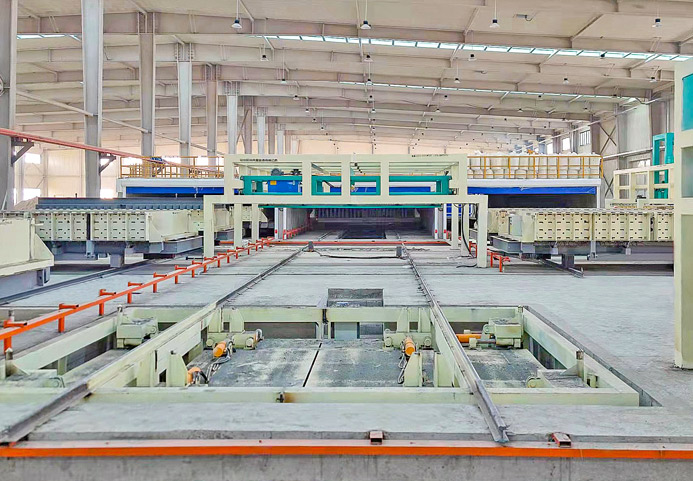
Zhengzhou Mana Housing Equipment Co., Ltd. is one of the main editors of China's "Steel Formwork for Precast Concrete Components" standard. We have been specialising in the research, design and manufacture of precast formwork for more than 20 years. The company has a systematic and in-depth research and understanding of precast formwork and extensively serves the precast industry in various fields such as bridges, highways, railways, construction industry and building materials industry.
The company can process 10,000 tonnes of precast moulds per year.
Which Is Better, Vertical or Horizontal Stairs Mould?
Horizontal staircase moulds: It is convenient to place the reinforcement cage and pour concrete. However, it takes up a lot of space.
Vertical staircase mould: The surface of the staircase is flat and smooth, which saves floor space. However it is difficult to control the position of the reinforcement cage, and there is a risk of concrete spillage when pouring.
Precast Stairs Production Process
1. Thoroughly clean the moulds and apply a form release agent.
2. Position the steel reinforcement cage (rebar) within the mould.
3. Fix embedded parts and stair lifting points.
4. Close the mould and secure using taper pins or locking bolts.
5. Pour concrete in layers and vibrate to compact. Smooth the surface.
6. Cure the stairs.
7. Demould and lift the precast staircase using the lifting anchors.